WADI MUSA / KEDEM GUIDE
Petra
Petra
Petra is a Nabataean city not named directly in Scripture. It may be considered within the wider setting of Edom, but it is not presented as conclusively identical with biblical Sela.
Travel and visit times are estimates. Check access and opening arrangements before travel.
Obadiah 1:3–4 (Edom context)
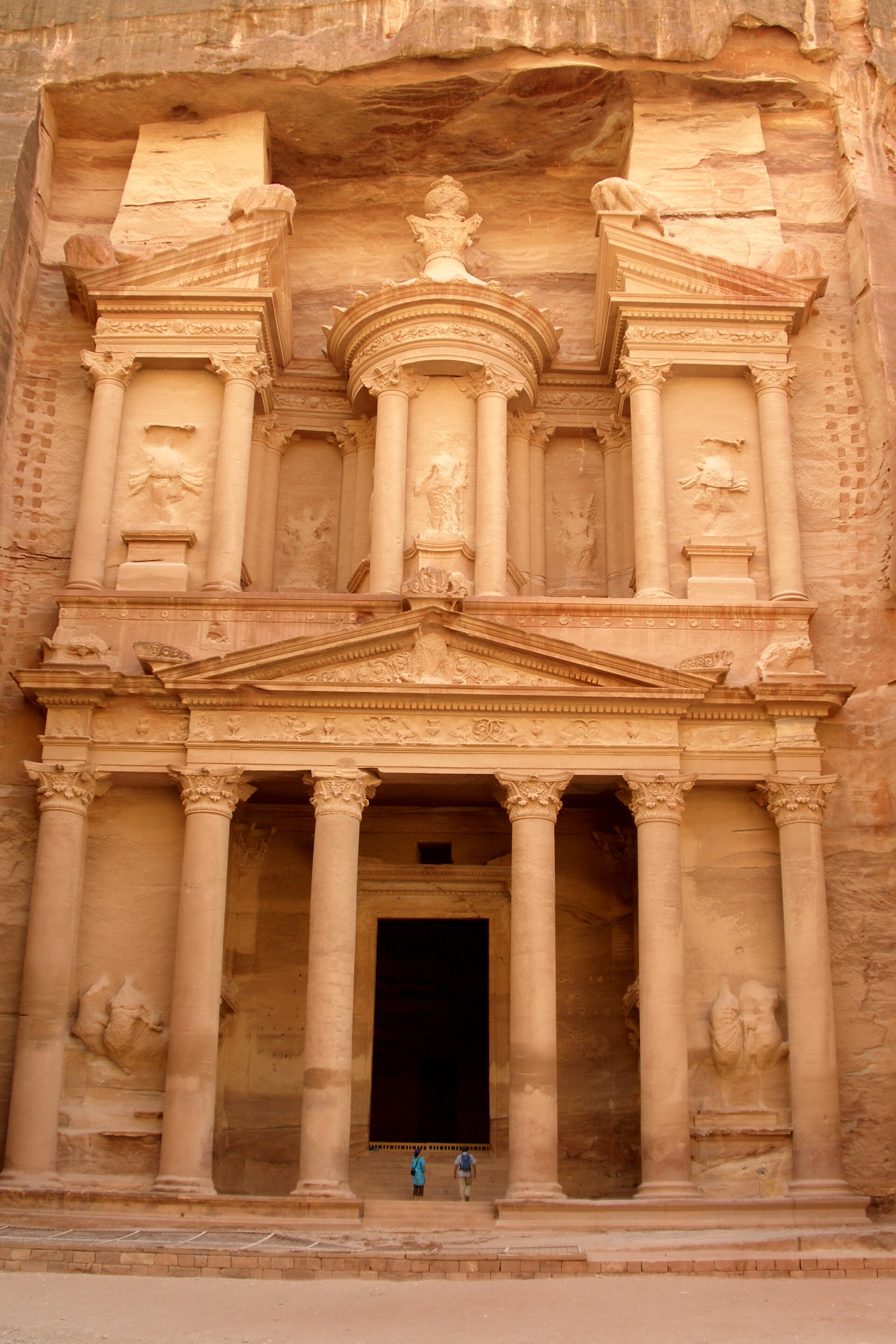
Petra is the Nabataean city carved into rose-coloured sandstone, once a major caravan crossroads between Arabia and the Mediterranean world. Emerging from the Siq before Al-Khazneh remains one of Jordan's defining travel moments.
Biblical context
The Nabataean city of Petra is not named directly in Scripture. Some identify biblical Sela with Petra, but the equation is not conclusive. Obadiah 1:3–4 addresses Edom and should not be presented as a direct prediction about the later Nabataean city.
History and tradition
Inhabited since prehistoric times, Petra flourished under the Nabataeans through rock-cut architecture and sophisticated water engineering. UNESCO inscribed the city in 1985 for its meeting of Eastern traditions and Hellenistic architecture.
Pilgrim reflection
Even the strongest city is not eternal. Amid the grandeur, ask what you trust as your rock and whether strength has made room for humility before God.
On-site notes
Expect extensive walking: grippy shoes and plenty of water are essential. Allow half a day for the Siq and Treasury, or a full day if continuing to the Monastery. Enter early during hot months.
What to bring
Broken-in grippy walking shoes, 1.5–2 litres of water, a hat and sunscreen, a small daypack, and a light seasonal layer.